








Reuniting America's Oldest Spirits

Blake Riber
May 12, 2026
We've shared several exceptional releases from Louisivlle's Copper & Kings over the last six months, but today's release in collaboration with Jacob Kiper of Coming Whiskey and Will Stephan of Copper Pot Brandy may hold the most meaning. Jacob will tell you more about today's release, and it's historical significance.
On July 4, 2026, the United States marks 250 years since declaring independence and breaking away from Great Britain. Throughout this milestone year, tributes to that rebellious spirit will be everywhere. Expect plenty of them from bourbon brands, too, since bourbon is often called America’s native spirit.
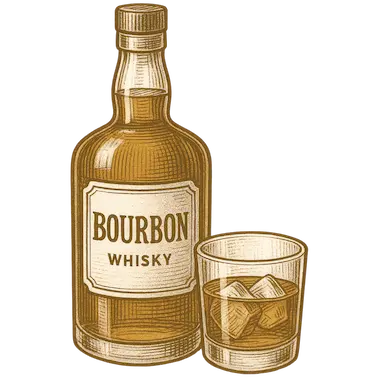
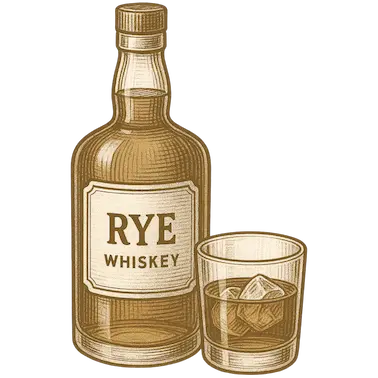
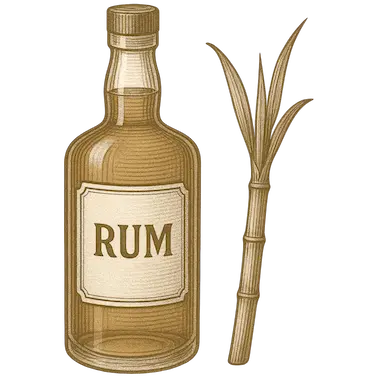
That said, bourbon wasn’t the first spirit Americans embraced, or even the second. In colonial times, rum, both imported and locally produced, along with brandy, dominated drinking culture. Rye whiskey came later, and only after that did bourbon rise to prominence.

Looking back at those earlier days adds a deeper layer to the story of independence. Distilled spirits were not just a pastime, they were tied closely to economics, identity, and resistance. The rum trade, for instance, played a major role in the colonial economy, but it was deeply entangled with British interests. Policies like the Molasses Act of 1733 and the Sugar Act of 1764 frustrated colonists long before the Tea Act sparked the Boston Tea Party.
As tensions escalated, drinking habits started to shift. Rum began to carry an association with British loyalty, and many colonists turned instead to spirits they could produce themselves. Grain whiskey became the focus, especially in New England where rye thrived. Rye whiskey gained traction during the Revolutionary period, standing in contrast to rum and taking on a sense of patriotic meaning.
At the same time, American brandy held a strong presence. Unlike rum, which was often tied to larger distilling operations along the coast, American brandy production leaned heavily on small farms and local ingenuity. Farmers used excess fruit that might otherwise spoil, turning it into something more durable and often more valuable. Grapes, apples, pears and peaches were common choices.
In fact, the oldest registered distillery in the United States still produces American brandy today. Tavern records from that era suggest brandy frequently commanded higher prices than either rum or whiskey, a reminder of its significance that tends to get overlooked in modern conversations.
Even George Washington reflected these trends, distilling both brandy and rye whiskey at Mount Vernon. His practices mirrored what many Americans were already doing on farms and in small operations across the colonies.
As the country commemorates 250 years of independence, it’s worth raising a glass not just to bourbon, but to the earlier spirits that shaped American drinking culture. American brandy and rye whiskey tell a story that runs alongside the fight for independence.
That legacy continues today. Copper & Kings American Brandy Co., located just a short distance from Louisville’s Whiskey Row, carries forward that tradition with a modern approach rooted in history. Earlier this year, Jacob had the chance to work with Will to select a single barrel that honors that rebellious spirit.
The chosen barrel began as American brandy, aged for 6 years, 1 month, and 11 days in an ex-bourbon cask. It then spent another 5 years and 10 months finishing in a freshly emptied barrel from a renowned Louisville rye distillery. Altogether, it matured for nearly 12 years in oak.
If there’s a fitting way to mark 250 years of independence, it might just be this. A glass in hand, 111 proof, reflecting the layered history of American spirits and the enduring spirit of defiance that helped shape the nation.
The nose is bright and lifted. Fresh honey & herbal notes - sage and dried thyme open alongside toasted oak and cracked pepper, with a subtle thread of citrus: a light lemon peel note that adds clarity and lift over deeper dried orchard fruit.
The palate is full-bodied and structured. Immediate rye spice - clove, black pepper, and baking spice - meets the richness of aged brandy: baked apple, dark honey, and caramelized pear. There’s a savory, almost earthy depth that builds across the palate.
The finish is long, dry, and commanding. Oak tannin and spice linger, with a persistent herbal edge and a warm, woody fade.